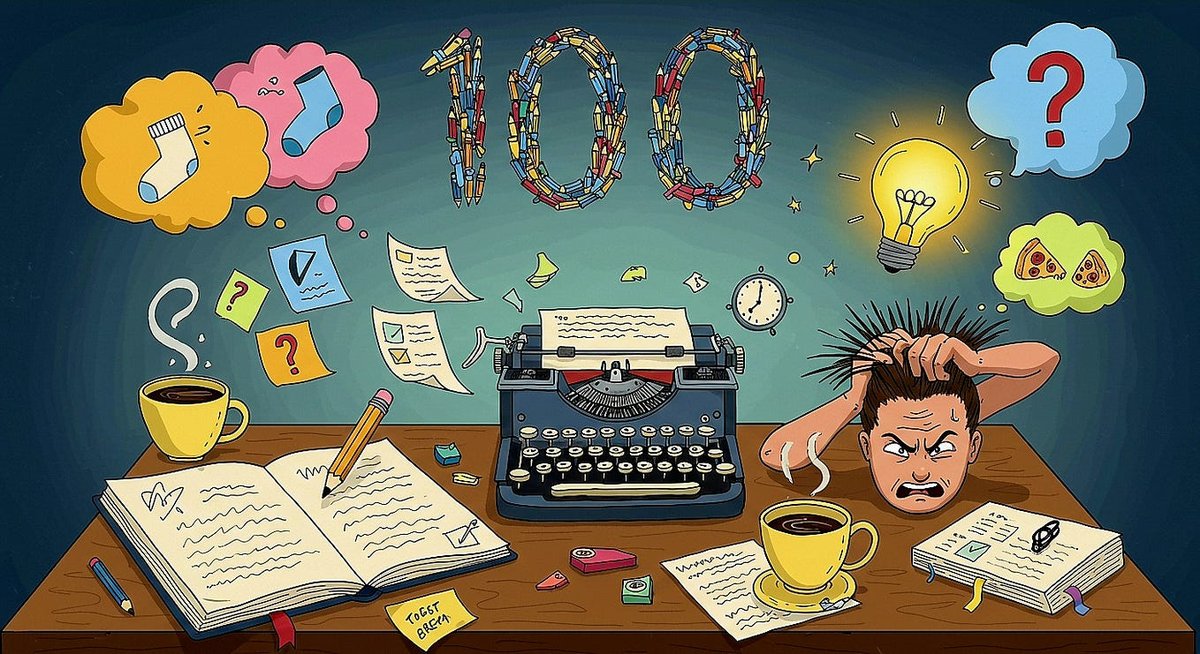
For every seasoned wordsmith and aspiring storyteller, there comes a moment of truth: the blank page. It stares back, cold and intimidating, often leading to that dreaded creative standstill. But what if there was a simple, powerful tool to transform that paralysis into prolificacy? Enter story prompts. The Benefits of Story Prompts for Writers are far-reaching, transforming not just how much you write, but how well. They're not just quick fixes; they're catalysts for continuous growth, sparking imagination and honing your craft with every word.
At a Glance: Why Story Prompts Are a Writer's Best Friend
- Ignite your imagination: Prompts are instant idea factories, pushing you beyond familiar territory.
- Silence the blank page: They provide a clear starting point, dissolving writer's block.
- Sharpen your skills: Practice different styles, genres, and techniques without the pressure of a big project.
- Build a consistent habit: Regular engagement with prompts makes daily writing a fun, achievable goal.
- Boost productivity: Eliminate indecision and dive straight into generating new content.
- Encourage fearless experimentation: Try new voices, perspectives, and narrative structures.
- Deepen character and world-building: Targeted prompts help you flesh out your fictional universe.
What Exactly Are Story Prompts, Anyway?
Think of a story prompt as a gentle nudge or a provocative question designed to kickstart your writing engine. It's a specific idea, scenario, image, or phrase that offers a clear starting point, guiding your imagination towards developing a narrative. Prompts are crafted to overcome creative inertia, ignite your unique voice, and encourage exploration of diverse themes and writing styles.
They remove the pressure of coming up with a grand idea from scratch, allowing you to focus purely on the act of writing. Whether you're a beginner finding your footing or a published author battling a creative slump, a good prompt is like a personal trainer for your writing muscles – it provides direction, encourages effort, and promises growth.
The Unbeatable Edge: Why Writers Thrive on Story Prompts
The real magic of story prompts lies in their multifaceted impact on a writer's journey. They're more than just warm-up exercises; they're integral tools for development, discipline, and discovery.
Fueling Your Creative Fire
One of the most immediate benefits of story prompts for writers is their ability to spark creativity. When faced with a blank page, it's easy to fall into familiar thought patterns or feel overwhelmed by infinite possibilities. Prompts cut through that noise, offering a specific, intriguing starting point. They challenge you to think laterally, consider new perspectives, and construct narratives you might never have conceived on your own. This isn't about restricting your imagination; it's about giving it a launching pad. By providing a core idea, prompts free up mental energy, allowing you to focus on the imaginative expansion of that seed into a sprawling garden of words.
Conquering the Dreaded Writer's Block
Ah, writer's block – the nemesis of every scribe. It's that frustrating wall where ideas cease to flow, and words refuse to form. Story prompts are perhaps the most effective antidote. They eliminate the agonizing question of "what should I write?" by providing an immediate answer. You don't need to conjure inspiration; it's handed to you on a silver platter. This instant direction allows you to bypass the initial hurdle of ideation and jump straight into drafting. Even a short 15-minute session with a prompt can break the spell, reminding your brain that writing is a process, not a sudden burst of genius. For those who frequently find themselves stuck, incorporating prompts can be one of the most effective practical strategies for overcoming writer's block.
Fostering Fearless Experimentation
Are you comfortable writing introspective dramas but nervous about dabbling in sci-fi? Do you stick to first-person narratives because third-person feels too distant? Story prompts are your safe laboratory for experimentation. They encourage you to step outside your comfort zone, exploring different styles, voices, and even entire genres you might not typically consider.
This low-stakes environment means you can try on a fantasy plot, practice writing snappy dialogue, or experiment with a stream-of-consciousness style without the pressure of it being part of a larger, critical project. It's how you discover new strengths and develop versatility, allowing you to grow into a more well-rounded and adaptable storyteller. Think of it as a creative playground for exploring new genres and narrative forms.
Sharpening Your Craft and Skills
Regular engagement with story prompts is like consistent weight training for your writing muscles. Each prompt offers an opportunity to refine specific elements of your craft. You might find yourself focused on:
- Descriptive language: A setting prompt demands vivid imagery.
- Character voice: A dialogue prompt forces you to inhabit different personalities.
- Pacing and tension: A conflict-based prompt challenges you to build dramatic momentum.
- Grammar and vocabulary: Simply the act of regular writing naturally improves your command of language.
By consistently tackling diverse prompts, you're implicitly honing your narrative skills, improving coherence, and expanding your literary toolkit. It's a structured way to practice and perfect the techniques that make your stories shine.
Turbocharging Your Productivity
When you eliminate the "what to write" dilemma, you free up significant time and mental energy. Story prompts provide a clear starting line, allowing you to dive directly into content generation. This is especially beneficial for writers who struggle with procrastination or simply want to maximize their daily word count. Dedicating a set time – even just 15-30 minutes – to a prompt each day can quickly add up, helping you produce a substantial body of work over time without feeling overwhelmed. It's a powerful method for consistently adding fresh material to your creative portfolio.
Enhancing Your Focus and Concentration
The open-ended nature of writing can sometimes lead to mental meandering. A well-chosen story prompt acts like a laser beam, narrowing your attention to a specific topic, theme, or scenario. This focused approach minimizes distractions, helping you maintain concentration on the task at hand. Instead of getting lost in the vastness of your imagination, you channel it into a defined stream, leading to deeper engagement and more cohesive output within a given writing session. This intentional focus builds discipline, a crucial trait for any serious writer.
Building a Rock-Solid Writing Habit
Consistency is the bedrock of any successful writing career. Yet, it's often the hardest habit to establish. Story prompts offer a non-threatening, enjoyable way to write regularly. Because they're low-stakes and generally short-form, the pressure to produce a masterpiece is removed. This makes it easier to commit to daily writing sessions, gradually building a robust habit that will serve you well for larger projects. Even if what you write isn't "good," the act of showing up and putting words on the page is invaluable. It trains your brain to expect and engage in creative work.
Encouraging Sustained, Uninterrupted Writing Sessions
One of the greatest inhibitors to creative flow is self-editing while writing. The internal critic can stop a narrative dead in its tracks. Story prompts, especially when used in timed sessions, encourage you to write without censor. The goal isn't perfection; it's production. By giving you a clear path, prompts facilitate stream-of-consciousness writing, allowing you to fill pages without constantly second-guessing yourself. This practice of "writing messy" is vital for developing fluency and understanding that the first draft is simply to get the story down, saving refinement for later.
A Spectrum of Inspiration: Types of Prompts to Explore
Story prompts come in a delightful array of forms, each designed to tap into different aspects of your storytelling ability. Understanding the variety allows you to choose the perfect spark for your current need.
- Story Starters: These are simple phrases or sentences that drop you directly into a scenario or conflict.
- Example: "The old clock chimed thirteen, but it wasn't midnight."
- Character Development Prompts: These delve into the psychology and background of fictional beings, helping you build multi-dimensional personalities.
- Example: "What secret fear drives your character's ambition?" For more insights, explore crafting characters that resonate.
- Dialogue Prompts: Designed to get your characters talking, these focus on tone, subtext, and interaction.
- Example: "Write a conversation where one character slowly realizes the other is lying." To really nail your exchanges, consider mastering the art of dialogue.
- Setting Prompts: These challenge you to visualize and describe environments, establishing mood and context.
- Example: "Describe a forgotten library at the edge of the world, focusing on what you see, hear, and smell." For further guidance, check out expert advice on setting the scene.
- Genre-Specific Prompts: Tailored to the conventions and tropes of particular genres like fantasy, sci-fi, horror, or romance.
- Example (Fantasy): "A reluctant hero discovers a map to a land swallowed by mist."
- Open-ended Prompts: Broader questions or "what if" scenarios that allow for vast imaginative freedom.
- Example: "What if gravity suddenly stopped working for an hour each day?"
- Visual Prompts: Using an image, photograph, or piece of art as the catalyst for a story. The details and emotions conveyed in the visual become your starting point.
- Theme-based Prompts: Focus on a specific concept like "redemption," "loss," "courage," or "revenge."
- Example: "Write a scene where a character confronts the true cost of their ambition."
- Sentence Starters: Similar to story starters but often even shorter, providing just the initial words.
- Example: "It was never supposed to happen..."
Making Prompts Work for You: Smart Strategies for Writers
Simply using a prompt isn't enough; maximizing its benefits requires a thoughtful approach. Here's how to integrate prompts effectively into your writing routine.
Choose Prompts That Spark Your Interest
While experimentation is key, don't force yourself to write about something you find utterly boring. The most productive sessions happen when you genuinely connect with the prompt. Keep a running list of subjects, themes, or scenarios that intrigue you, and seek out prompts that align. This makes the process enjoyable and helps sustain your motivation.
Align Prompts with Your Writing Goals
Before you pick a prompt, ask yourself: What do I want to achieve today?
- Do you want to develop a character's backstory? Pick a character prompt.
- Are you struggling with vivid descriptions? Go for a setting or visual prompt.
- Need to loosen up and write freely? An open-ended or story starter might be best.
Periodically review your writing objectives to ensure your prompt choices are serving your larger development as a writer.
Match Prompts to Your Skill Level
If you're just starting out, begin with simpler story starters or sentence prompts. As your confidence grows, challenge yourself with more complex open-ended or genre-specific prompts. Don't be afraid to gradually increase the difficulty, but always ensure the prompt feels achievable, not intimidating.
Practical Tips for Specific Prompt Types
- Story Starters: Don't just continue the sentence. Think about the who, what, when, where, and why behind the starter. What kind of tone or genre does it suggest?
- Character Prompts: Go beyond surface traits. Explore your character's deepest fears, unspoken desires, and hidden relationships to enrich your narrative.
- Dialogue Prompts: Focus on subtext. What are characters not saying? How do their words reveal their true feelings or conflict?
- Setting Prompts: Engage all five senses. Make the environment a character in itself, influencing mood and plot.
- Genre-Specific Prompts: Understand the genre's expectations, but don't be afraid to twist them. What unique elements can you bring to a familiar trope?
- Open-ended Prompts: Let your imagination run wild, but try to identify a central theme or conflict to maintain focus as your ideas proliferate.
- Visual Prompts: Look for a story within the image. What happened just before? What will happen next? What emotions does it evoke?
- Theme-based Prompts: Brainstorm different angles related to the theme. Can you explore the theme through a specific character's struggle, a societal issue, or an abstract concept?
Practice Consistently
The true power of prompts unfolds with consistency. Aim for daily engagement, even if it's just for 15 minutes. This regular practice hones your imaginative muscles, builds discipline, and makes writing a natural, integrated part of your day. It’s like a daily meditation for your creative mind.
Embrace Freedom, Ditch Perfection
The beauty of prompt writing is its low-stakes nature. This isn't your magnum opus; it's practice. Allow yourself to write poorly, to experiment wildly, and to take risks without the pressure of editing or judgment. The goal is to generate ideas and words, not to create a polished piece. You can always revisit and refine later, but the initial creative burst is paramount.
Create Your Sacred Writing Space
Minimize distractions. Find a quiet corner, silence your phone, and dedicate your full attention to the prompt. This focused environment allows your creativity to flow unimpeded, making your prompt sessions more productive and enjoyable. Whether it's a cozy nook or a bustling cafe, make it a space where only your words matter.
Common Questions About Story Prompts
Even seasoned writers have questions when integrating new tools into their routine. Here are a few common queries about story prompts.
How long should I write based on a prompt?
There's no hard-and-fast rule, but consistency is more important than duration. Many writers find 15-30 minutes per prompt to be ideal. This is long enough to develop an idea without feeling like a major commitment. For others, 500-750 words (roughly 1-2 pages) is a good target. The key is to set a manageable goal and stick to it. The aim is to build momentum and get words on the page, not to write a complete novel in one sitting.
Can prompts replace plot outlining for a novel?
No, not entirely. While prompts can certainly inspire scenes, characters, or conflicts for a novel, they typically don't provide the comprehensive structural framework that a full plot outline offers. Think of them as excellent idea generators and practice tools, rather than a substitute for meticulous planning. However, using prompts during the outlining phase can help flesh out individual chapters or character arcs.
What if I don't like a prompt?
Don't force it! The point of prompts is to inspire, not frustrate. If a prompt doesn't resonate, simply move on to the next one. There are countless prompts available, and part of the process is learning what kind of sparks ignite your unique imagination. Don't view skipping a prompt as a failure; view it as an efficient way to find the right creative challenge.
Finding Your Next Spark: Tools and Resources
Ready to unleash the power of prompts? The internet is brimming with resources. From dedicated websites to social media groups, you'll find an endless supply of creative igniters. If you're looking for an immediate source of inspiration, check out Our story prompt generator. It's designed to give you fresh ideas with a click, ensuring you're never left staring at a blank page again. Many writers also find inspiration in visual platforms like Pinterest or Instagram, using intriguing images as their prompts.
Your Next Chapter Starts Now
The benefits of story prompts for writers are undeniable. They are an accessible, versatile, and highly effective tool for anyone looking to boost creativity, overcome creative blocks, and consistently sharpen their writing skills. From igniting your imagination to building an unbreakable daily writing habit, prompts are a low-risk, high-reward investment in your craft.
So, don't let the blank page intimidate you any longer. Embrace the power of the prompt. Pick one, set a timer, and let your words flow. Every sentence you write, every scenario you explore, every character you bring to life through a prompt brings you closer to becoming the confident, prolific storyteller you aspire to be. Your next great story is waiting; all it needs is a spark.